Of metaphors & molecules: Bridging STEM & the arts

by | Tuesday, June 23, 2020

Update on blog post that was published May 30, 2018 – since the article is now published (2 years since it was accepted for publication).

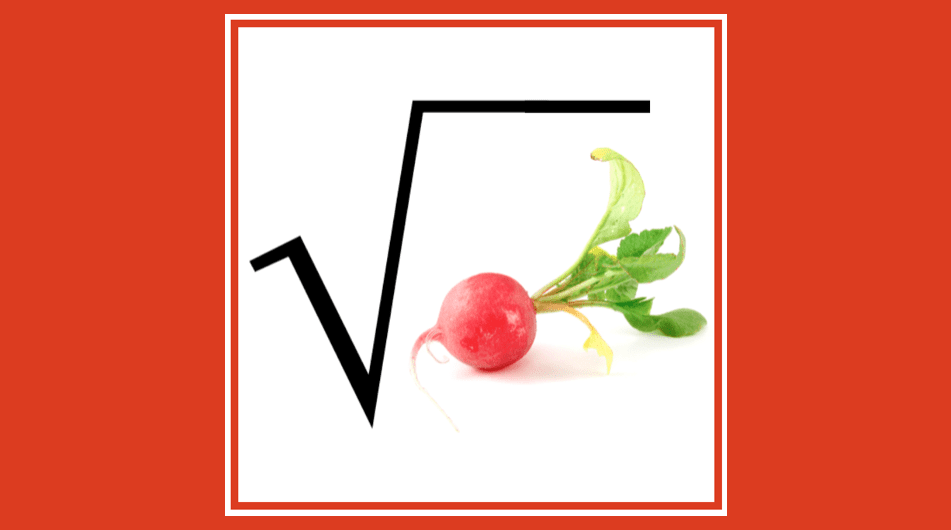
Square Root: Illustration by Punya Mishra

What do President Kennedy’s speeches have to do with cell biology? And what does the vegetable “radish” have to do with mathematics or chemistry? Learn about all this and more in a soon to be published article where Danah Henriksen and I explore the use of figurative language as a bridge between the arts and STEM disciplines. Part of the fun in writing this article is that I got to create the illustrations that go with the article. These illustrations are reproduced below (click on them to see larger versions).

The published abstract can be found here and is also provided below:

STEM education in the United States is often described as being in a downward spiral, when assessed by competency test scores and lack of student motivation for engaging STEM disciplines. The authors suggest this arises from an overly instrumental view of STEM. While STEAM has arisen as a pushback paradigm, the application of STEAM in schools is challenging, and educators are often unclear about connecting STEM and the arts. The authors suggest envisioning STEAM through natural disciplinary interconnections. They focus on the integration of language arts and figurative thinking to blur the boundaries of STEM and the arts, and offer examples of figurative language—such as metaphor, linguistic etymology and synecdoche—for framing STEM teaching and learning.

Citation below:

Henriksen, D. & Mishra, P. (2020). Of metaphors and molecules: Figurative language bridging STEM and the arts in educationLeonardo (53), 3. p.316-320.

Figure 1. Multiple metaphors for energy. 

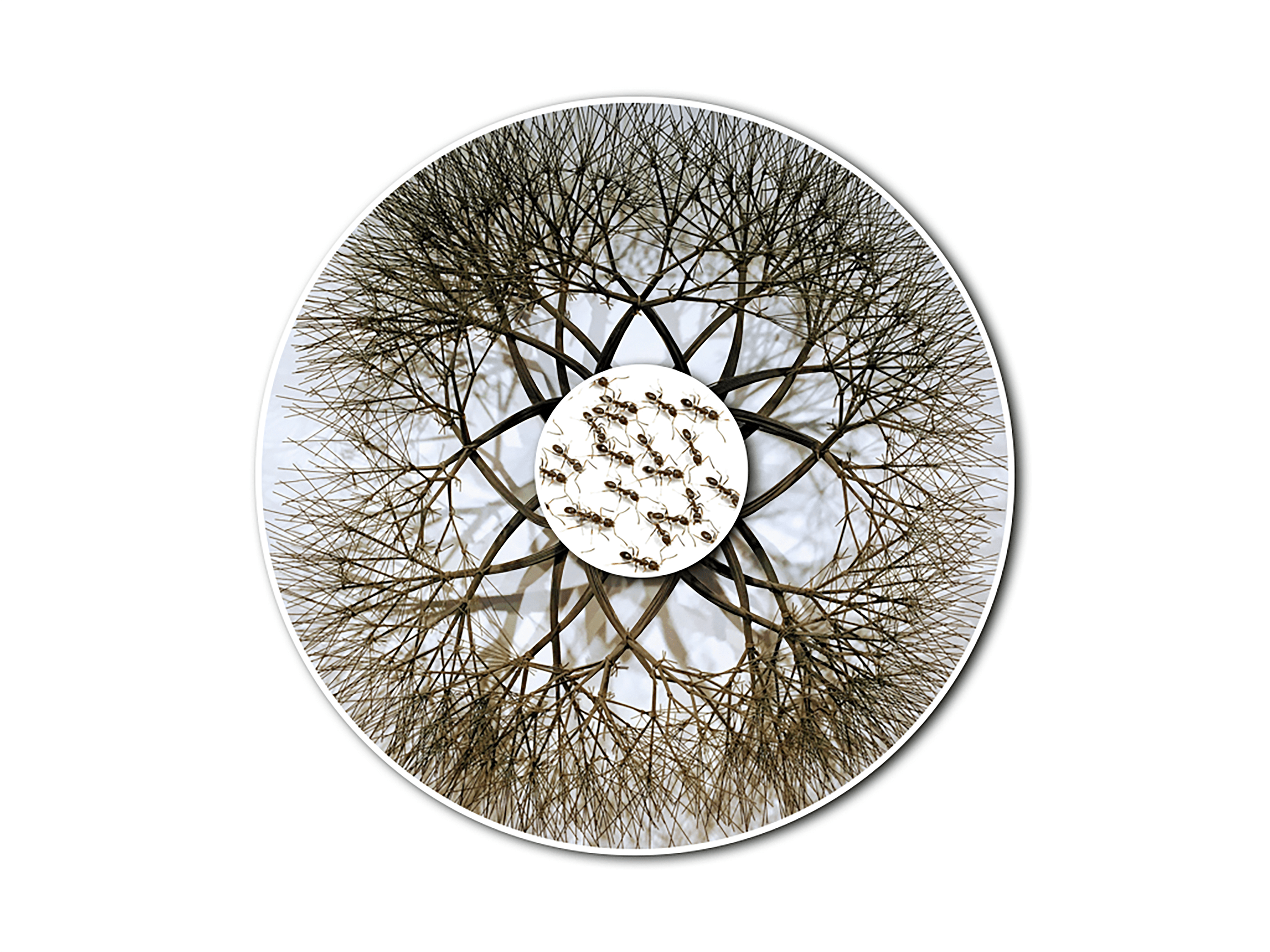
Figure 2: Complex systems are dynamic, self-organizing, evolving networks that can operate without central control (e.g. ant colonies, rainforests, human brains, or cities).
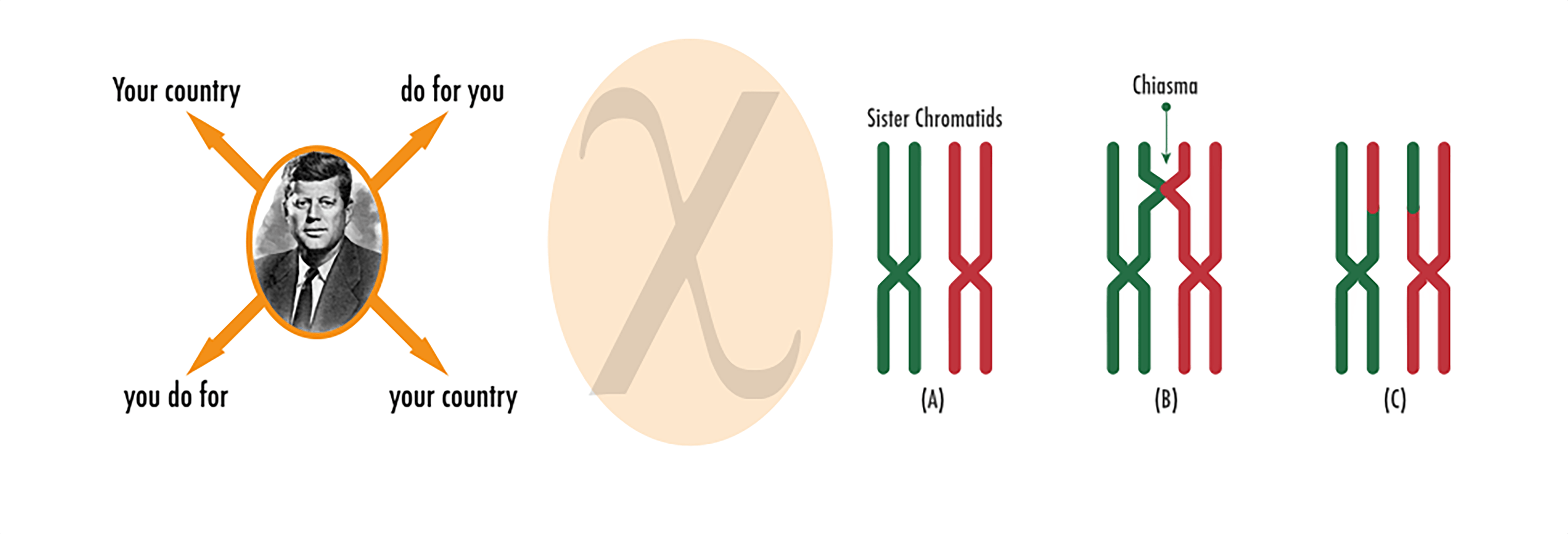
Figure 3. Chiasmus, Chi and chiasmata.

Topics related to this post: Publication

A few randomly selected blog posts…

Ads in Video Games

A couple of people have emailed me about the Obama campaign inserting advertisements into video games. Check out this Flickr set with screenshots of these advertisements. Most of the press is reporting that these ads show up in just racing games but as these...

Happy New Year

For the past couple of years now, our family has been creating new year's greetings using stop-motion video. This year was no exception. Here it is (on Vimeo) https://vimeo.com/18164777 A very wonderful holidays and a very happy new year to all of you,from Shreya,...

Creativity and the urban STEM teacher

Creativity and the urban STEM teacher

I have written previously about the MSUrbanSTEM project and what it has meant to me. Over the past couple of years we have also published about this line of work (most prominently in a special issue of The Journal of Computers in Mathematics and Science Teaching)....

Speed of travel of information

I had written earlier about how the rate of change of technology is speeding up, i.e. technologies are changing at an ever faster rate. Related to this is something I just came across today (on Kottke.org). Kottle links to a chart that provides a historical look at...

How to complete a half-marathon

I completed the Capital City River Run Half Marathon today. This race has become an annual event for me, this being my 7th outing so far (the first three years being a 10 mile run before it shifted into a half-maraton). [See links here, here and here]. I completed the...

The intangibles of teaching

Jim Garrison and A. G. Rud have a wonderful article on TCRecord on Reverence in Classroom Teaching. Though, reverence may be "too exalted a word to associate with the practical and often mundane activities of teaching," it appears to me that ignoring these deeper...

Seeing in the dark

All of us have walked through a sun-dappled forest. However, few of us have noticed that underneath are feet are thousands of little perfect circles. This is often difficult to see because these little perfect circles often overlap into irregular globs of sunlight....

TPACK @ AERA, 2009

I did not go to AERA this year - choosing instead to go to Chicago to Keynote the Engaging Minds: Pedagogy and Personalism, the 2009 DePaul Faculty Teaching and Learning Conference. We did have a paper to be presented there (and I am sure our Iowa State friends must...

(de)Signs, a series on Slate

Slate magazine is running an interesting series by Julia Turner on signs and their design. Two articles are now up The Secret Language of Signs: They're the most useful thing you pay no attention to. Start paying attention. Lost in Penn Station: Why are the signs at...

0 Comments

Submit a Comment

Your email address will not be published. Required fields are marked *