A Systems view of creativity

by | Wednesday, May 18, 2016

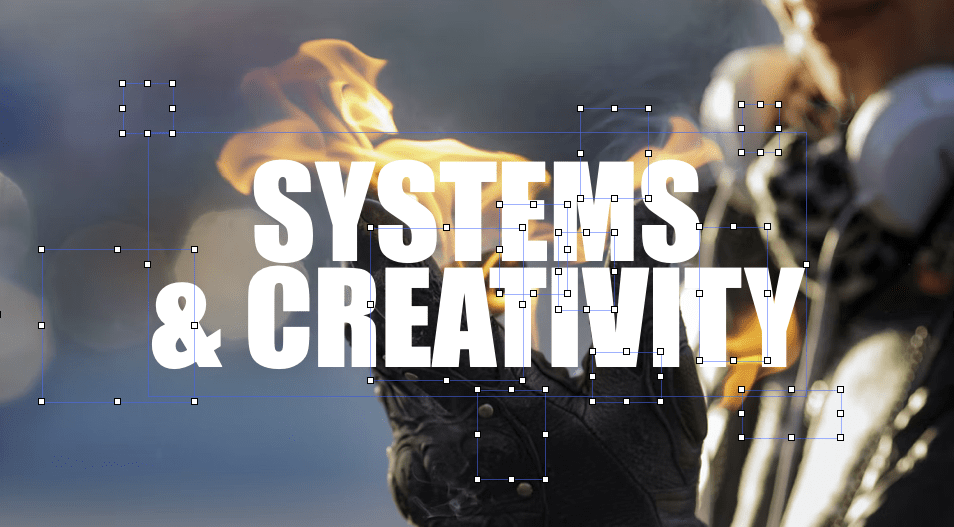
Our series of articles related to the broad topic of Rethinking technology and creativity for the 21st century in the journal TechTrends continues with two new articles. The first focuses on developing a systems view of creativity, specifically on how technology is opening up the world and changing systems of creativity.

Henriksen, D., & Hoelting, M. (2016). A Systems View of Creativity in a YouTube World. Tech Trends. (60)2. 102-106

The next article (reference and link below) makes a shift in our focus for the next few articles in the series. For the foreseeable future we will be focusing these articles on interviews with scholars and researchers on creativity. Through these interviews we seek to introduce their work and ideas to a wider population as well as connect their work to the themes we have been developing in this series so far. The first article in this new initiative is an interview with independent creativity scholar Michele Root-Bernstein.

Keenan, S., Mishra, P., & the Deep-Play Research Group (2016). Practicing the Process with Dr. Michele Root-BernsteinTech Trends (60)3, 200-203.

Topics related to this post: Essay

A few randomly selected blog posts…

Open source conferencing

Just found out about Dimdim (bad name!) from Manas Chakrabarti's blog, At Any Rate. Dimdim is an opensource, free web conferencing service where you can share your desktop, show slides, collaborate, chat, talk and broadcast via webcam with absolutely no download...

Educational Change by Design: A school for the future

Educational Change by Design: A school for the future

How do we design a school for the future? This recent article seeks to capture (in the form of a case study) our recent experience in designing such a school. The design process was a collaborative process involving a partnership with a local school district and the...

Chinese-English Ambigrams

During my travel through Taiwan and Hong Kong, I usually opened my presentations with some bilingual ambigrams - words that can be read in Chinese AND English. These ambigrams were created by David Moser, someone I got to know, virtually, through Doug Hofstadter's...

Play—I: Blog post by Team AI

Play—I: Blog post by Team AI

Below is Team AI's blog post for my Human Creativity x AI for Education class. As always, I have not edited their post in any way. You can read the previous posts by following the links here: Post 1; Post 2; Post 3; Post 4; Post 5; & Post 6 This was a great way to...

TPACK Vanity (v. 2.0)

Back in 2006 Matt and I took a bunch of work that we had been doing in the area of technology integration for teaching and pulled it together into one broad theoretical framework and published it in TCRecord. The TPACK framework as it has come to be known has been...

TPACK Newsletter #24, August 2015

TPACK Newsletter, Issue #24: August 2015 Welcome to the twenty-fourth edition of the (approximately bimonthly) TPACK Newsletter! TPACK work is continuing worldwide. This document contains recent updates to that work that we hope will be interesting and useful to you,...

A chat about GPT3 (and other forms of alien intelligence)

A chat about GPT3 (and other forms of alien intelligence)

We recently celebrated the 10-year anniversary of writing a regular column series on Rethinking Technology & Creativity in Education for the journal TechTrends. Over the next few articles in this series, we are going to dive deeper into Artificial Intelligence...

AI’nt Fair: Why AI May Make Learning Gaps Wider

AI’nt Fair: Why AI May Make Learning Gaps Wider

What is the relationship between AI and human creativity? Will AI supercharge human innovation, amplifying our ability to discover and invent? Or will it replace human ingenuity altogether? Or are we entering a hybrid future where humans and AI combine in unexpected...

0 Comments

Submit a Comment

Your email address will not be published. Required fields are marked *